There’s a particular kind of exhaustion that comes from living in the modern world. It’s beyond tiredness, more like a bone-deep weariness of constant optimization, endless productivity hacks, and the relentless pressure to do more, be more, achieve more. If you’re reading this, you probably know the feeling. I certainly do, and like me, you’ve probably wondered if there’s another way.
There is! It’s older than capitalism, quieter than ambition, and it’s been waiting for you all along.
For generations, the word “peasant” was a pejorative, a symbol of poverty, ignorance, and grueling labor. To be a peasant was to be stuck at the bottom of the hierarchy. But in the 21st century, a linguistic and cultural reclamation is underway. As digital burnout peaks and global supply chains fracture, a growing movement is looking backward to move forward.
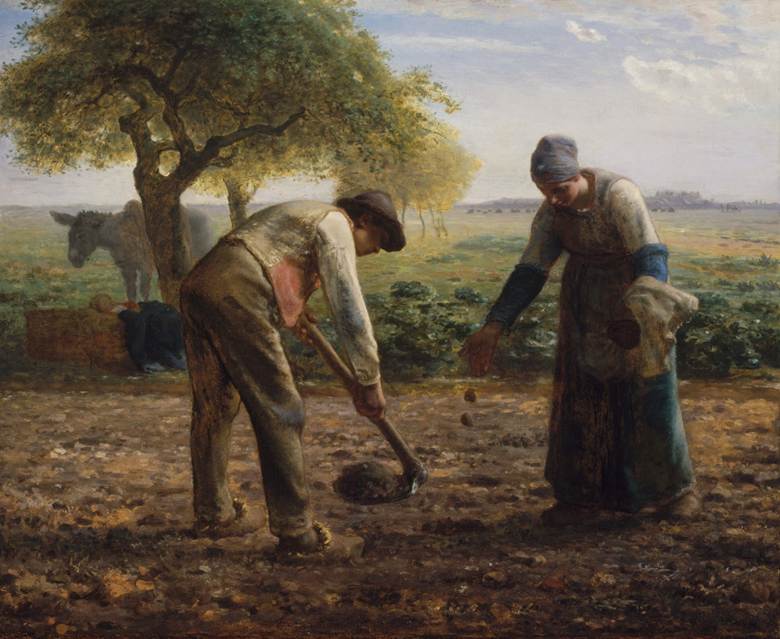
My husband and I started calling ourselves peasants half-jokingly at first, mostly on the days we had to strip at the door, covered in mud. It became even more of a thing after I was diagnosed with celiac disease and started looking at other cultures for inexpensive and naturally gluten-free alternatives. We also started to make our own bread, because, well, have you ever seen the price of a tiny gluten-free loaf? I learned how to make our restaurant favorites at home and discovered they’re actually very inexpensive to make. He made fun of me for going to the gym, because he was already exercising 10 hours a day for free as a peasant.
Eventually, since we were essentially working, eating, and living the part, we just embraced it. Our lifestyle was that of a modern peasant. We weren’t trying to optimize our lives or build a brand or achieve some Instagram-worthy homestead aesthetic. Believe me, I’d love to achieve that, but I’m afraid anything I post to social media will include weeds, dogs that just jumped into a murky pond, and a host of unfinished projects. I’d love to wear cottage core dresses while out frolicking in our field, but those look pretty hilarious on me even without the muck boots. We’re just trying to live well, simply, connected to the seasons and the land.
What is the peasant lifestyle?
The modern peasant life isn’t about poverty or deprivation. It’s not about giving up running water or living without electricity (though you certainly could if you wanted to). It’s about reclaiming an older rhythm of living, one that flows with the seasons rather than against them. It’s about measuring wealth in time and autonomy rather than dollars and status. It’s about rediscovering what humans knew for thousands of years: that a good life doesn’t require constant striving, just thoughtful attention to what actually matters.
The modern peasant isn’t roleplaying the Dark Ages, although mad props to you if you have some great ren faire outfits! We peasants are opting out of the frenetic, linear race of industrial capitalism in favor of a life that is circular, seasonal, and self-determined. To live like a modern peasant is to value time over money, production over consumption, and community over status.
So what does that look like? In reality, it’s going to look different for everyone.
The peasant approach to work
Peasant work wasn’t separate from life. There’s no brutal commute, no performance reviews, no pretending to look busy during slow periods because rest was a necessary and natural part of life. Peasant work is woven into the fabric of your day, rising and falling with natural rhythms rather than arbitrary schedules.
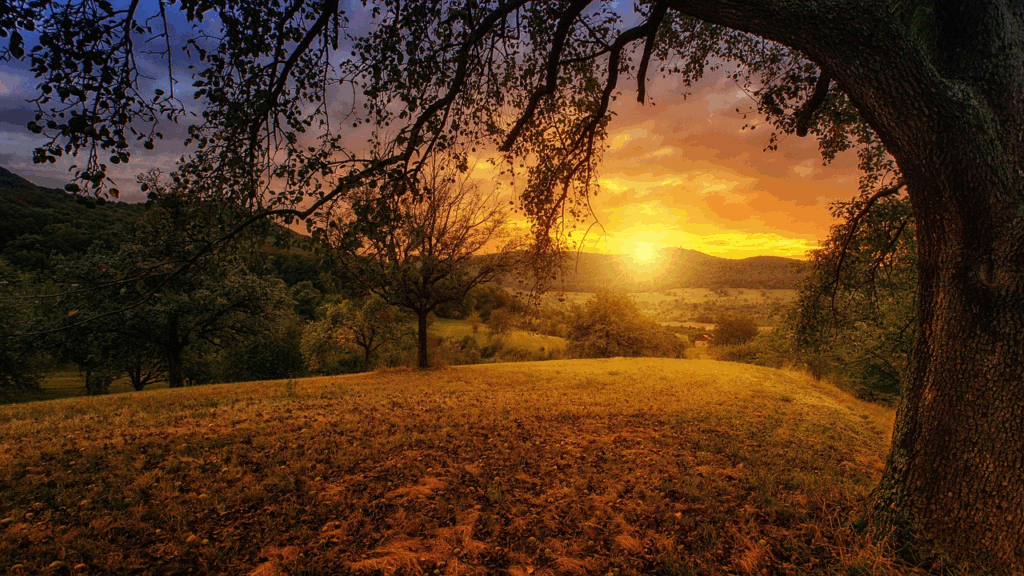
While the industrial model separates the worker from the fruit of their labor, peasants literally reap what they sow. A peasant rises with the sun (or close to it) not because of discipline but because it makes sense. The morning light is beautiful and useful. You feed the chickens, tend the garden, bake bread, preserve food, mend clothes, chop wood. These aren’t chores in the modern sense. They’re the fundamental acts that keep you alive and comfortable, and there’s a deep satisfaction in doing them well.
The beauty of peasant work is that it has natural stopping points. You can’t make the garden grow faster by working longer hours. The chickens don’t require constant attention (no matter how much they might disagree). The bread is done when it’s done. There’s no artificial pressure to fill every minute with productive activity, no guilt about “wasting time” when the work is finished.
This doesn’t mean peasants are lazy; they just understand the difference between purposeful work and busy work. When there’s a lot to do (harvest season, for instance), you work hard. When there’s less to do (the depths of winter), you rest. You sharpen tools. You plan and dream. You sit by the fire and actually think about things.
The defining characteristic of the peasant mindset is the shift from being a passive consumer to an active producer. Instead of buying a table, the peasant learns to build one or refinish an old one. Instead of buying bread, they bake it. While we do save money with doing things ourselves, we gain far more from the spiritual satisfaction of competence, the deep pleasure that comes from knowing how to do things with our own hands.
Historically, peasants didn’t have one “career.” They were farmers, carpenters, weavers, and brewers all at once. Most modern peasants embrace this same portfolio approach. My husband never participated in corporate life at all. He’s always been a musician and cello teacher, work that connects directly to beauty and human development rather than quarterly earnings. I, on the other hand, opted out after years in the corporate world, trading performance reviews and endless meetings for the immediate feedback of soil and plants. It’s…interesting…to take a look on LinkedIn and see my old colleagues pretending excitement over some new AI tool or whatever their team just released, telling the world it will solve all their problems. I know that that tool will be forgotten and quietly shoved under the rug within two years, just like the product I last worked on…a product where so many people spent sleepless nights on constant, rapid releases and then—poof, disappeared from the company roster during a mass layoff.
Now my husband and I run a small plant nursery in the spring, when customers flock to us with that inane, archetypal urge to plant something green. We fondly call it “plant heat.” It’s seasonal work that aligns perfectly with the natural growing cycle. We’re not open year-round because that’s not how the cycle works for us. Spring is for selling plants. Summer is when customers stop flocking to us, so we get to tend our own garden and start preserving our harvests. Fall is for cleaning up and preparing for winter. Late fall and early winter is for rest, planning, and for pursuing other interests like music and writing. And then mid-winter starts our cycle of plant propagation, potting, tagging, and hauling to the sales area.
The key is that our income work is right-sized to our actual needs, not inflated to meet someone else’s idea of success. Work is redefined as effort that sustains life directly. Chopping wood heats the home. Weeding the garden feeds the family. When you bake bread, you get bread. When you tend a garden, you get food. When you preserve tomatoes in August, you get tomatoes in January. The reward is immediate and visceral, not abstract. The connection between effort and reward is immediate and real. Of course, we still have bills to pay, so the money we get from selling our plants helps us keep a roof over our heads.
How peasants play
If you’ve spent years in hustle culture, you might have forgotten how to play. Real play, not “self-care” that’s just another form of optimization. Not hobbies you force yourself to do because you read they’re good for you. Not entertainment you consume passively because you’re too exhausted for anything else.
In a world addicted to dopamine hits from scrolling screens, the modern peasant reclaims leisure as a creative act. Peasant play is seasonal, communal, and often intertwined with work in ways that blur the boundaries between the two.
Play often looks like “work” to an outsider. It’s the satisfaction of learning to knit well enough to make a sweater that actually fits (ok, I’m not at that point yet—but boy, can I darn a sock). It’s whittling a spoon by the fire. It’s spending an afternoon foraging for mushrooms, which is both useful and delightful (chanterelles with sunchokes and parmesan is delightful). It’s the fiddler at a community gathering, playing not for an audience but for the joy of making music while people dance.
My husband’s cello teaching is like this. Is it work? Is it play? It’s both and neither. It’s purposeful activity that brings beauty into the world and helps young people develop a skill they’ll have for life. Similarly, I write because I have to—I can’t not write. I try to write what others will enjoy as much as I do, and I’m sure glad I can make some money from it. I don’t publish half of what I write, though, because not everything I do has to make a dollar.
Traditional peasant cultures had festivals and celebrations woven throughout the year, marking the seasons and the agricultural cycle. These weren’t vacations in the modern sense. They were natural pauses, times when the community came together to celebrate what they’d accomplished and prepare for what came next.
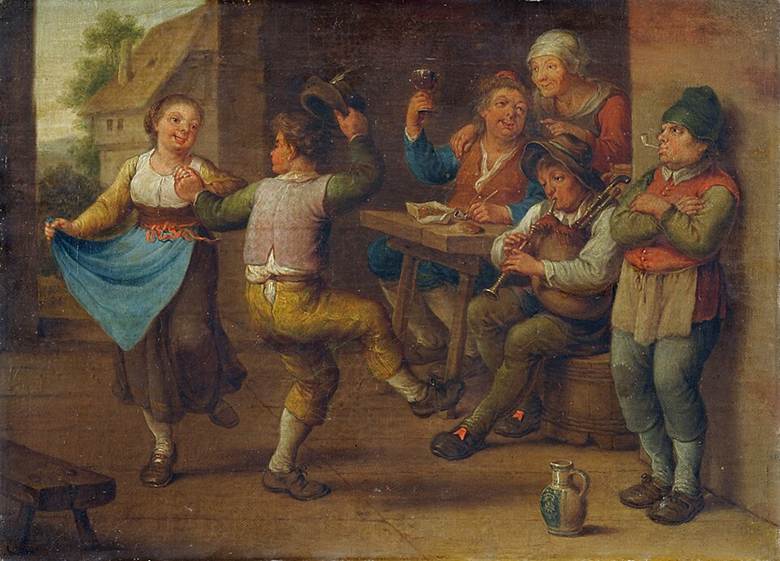
Entertainment shifts from passive consumption to active engagement. Bonfires, oral storytelling, singing in groups, and observing the stars replace the blue light of the television. You can bring this spirit into your own life. Make bread with your hands and let the kneading be meditative. Wander your property or local park without having a particular agenda. Sit outside in the evening and actually watch the sunset instead of photographing it. Learn folk songs. Tell stories. Garden not just for food but for the pleasure of having your hands in the soil (dirt therapy is a powerful thing, by the way).
The peasant approach to play is also refreshingly unambitious. You don’t need to be the best at something. You don’t need to monetize it or share it on social media or turn it into content. You can simply enjoy doing things because they bring you pleasure or peace or a sense of connection to something larger than yourself.
Eating like a peasant
Peasant food has gotten a bad reputation, often conflated with poverty and deprivation. But traditional peasant diets, when there was enough to eat, were remarkably healthy. They were local, seasonal, largely plant-based with small amounts of meat and dairy, fermented, whole-food-based, and incredibly practical.
Modern peasant eating means relearning what your great-grandparents knew: how to cook dried beans until they’re creamy and delicious, how to make a pot of soup that gets better over three days, how to preserve summer’s abundance for winter’s scarcity. It means eating what’s actually growing right now rather than whatever the grocery store imports from across the world (within whatever constraints you face, of course).
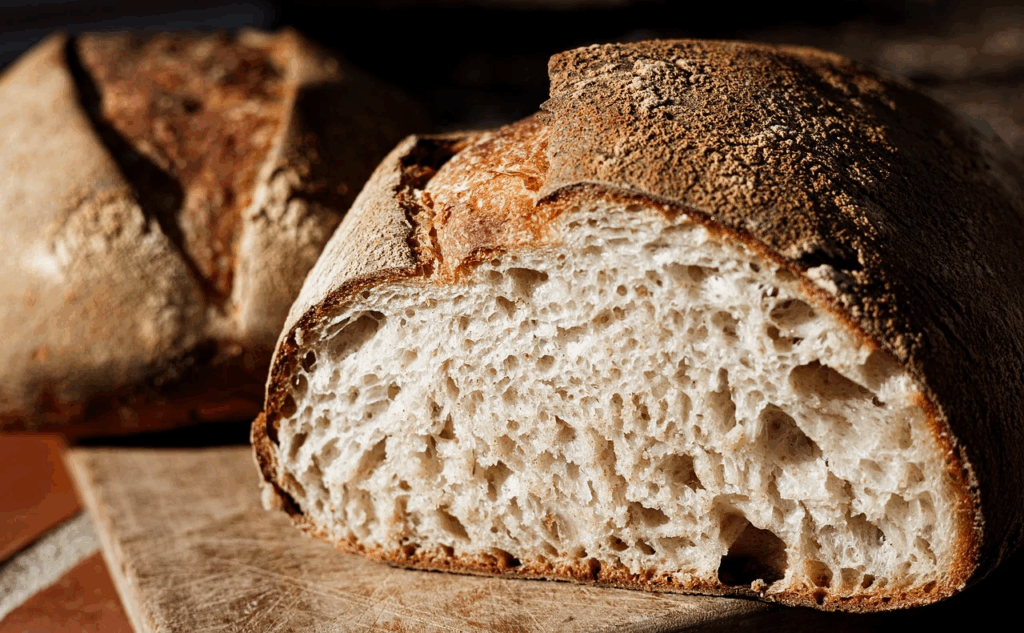
We’ve grown accustomed to eating fresh strawberries in January and squash in July. The peasant diet rejects this globalized flattening of time. In spring, you eat tender greens and eggs and asparagus, and you eat it every day for three weeks until you’re sick of it, then you wait a year to taste it again. In summer, you gorge on tomatoes and berries and cucumbers because they’re everywhere and they won’t last. In fall, you feast on squash and apples and root vegetables. In winter, you eat from your stores: fermented vegetables, canned tomatoes, dried beans, frozen berries, root cellar potatoes.
Our root cellar holds winter squash, potatoes, onions, and garlic well into spring. The pantry shelves are lined with jars of canned tomatoes, pickles, jams, and relishes. The chest freezer contains bags of berries from our berry patch and blanched vegetables from the garden. The dehydrator runs constantly in late summer, turning excess produce into concentrated flavor we’ll use all winter. This delayed gratification makes food sacred. This seasonal approach to eating does something remarkable. It makes food interesting again. When you haven’t had a tomato in eight months, that first tomato of summer is a revelation. When strawberries are only available for three weeks a year, you pay attention to them.
Because the harvest is fleeting, the peasant spends autumn focused on preservation. Canning, fermenting, smoking, and drying are essential skills. The pantry becomes a bank vault of calories, a hedge against winter’s scarcity.
If animals are raised, they’re treated with immense respect. Meat is not a daily entitlement but a periodic luxury. When an animal is harvested, every part is used. Bones for broth, fat for tallow, organ meats for nutrient density. Nothing is wasted. Our chickens give us eggs daily, a renewable source of protein that requires only feeding and care in return. Well, our chickens also require me to sit with them for daily tea, but that’s a whole ‘nother thing.
The peasant diet is also forgiving of imperfection. You don’t need to count calories or macros or worry about eating “clean.” You eat what you have, you eat what you grew, you eat what your neighbors traded with you. Some meals are simple: bread and cheese and pickles. Some are feasts: a roasted chicken from your own flock with vegetables from your garden and a pie from your own fruit trees. Ok, I do loosely track my macros because of a family history of diabetes; everyone should follow their doctor’s advice!
Learning to cook like a peasant means developing a handful of fundamental skills you can apply flexibly rather than following recipes slavishly. How to make bread. How to cook beans. How to roast a chicken. How to make soup from scraps. How to ferment vegetables. How to preserve what’s abundant now for later. I personally learned the basics of how to make a variety of sauces that I can combine with different meats, vegetables, and starches and pretty much make a different dish for dinner every day. And I can probably spout off 100 different ways to make oatmeal (certified gluten-free in my case).
It also means embracing the reality that food takes time. Not as much time as you might think, especially once you develop rhythm and skill. Surprisingly, it really does take me less time to make dinner and clean up afterwards than it does to go out to a restaurant. This time isn’t wasted if you approach it mindfully. Making food for yourself and your loved ones can be meditative and powerful with intention. It’s an opportunity to be present with your hands and your ingredients and the transformation happening in your kitchen.
Movement and the peasant body
Peasants didn’t exercise. They moved. All day, in purposeful ways, doing things that needed doing.
I admit I still go to a gym. I’m actively trying to lose the weight I gained working a sedentary desk job, and I’m building up muscle to support my joints while I do hard work outside. More and more, however, I’m doing all those exercises at home as I gain better balance and can accomplish more with yoga, tai chi, and free weights.
However, peasants didn’t go to the gym. The concept of burning calories on a stationary machine would be an absurdity to someone whose life requires physical exertion to function. Humans evolved to be strong and capable through the simple act of using their bodies for useful work.
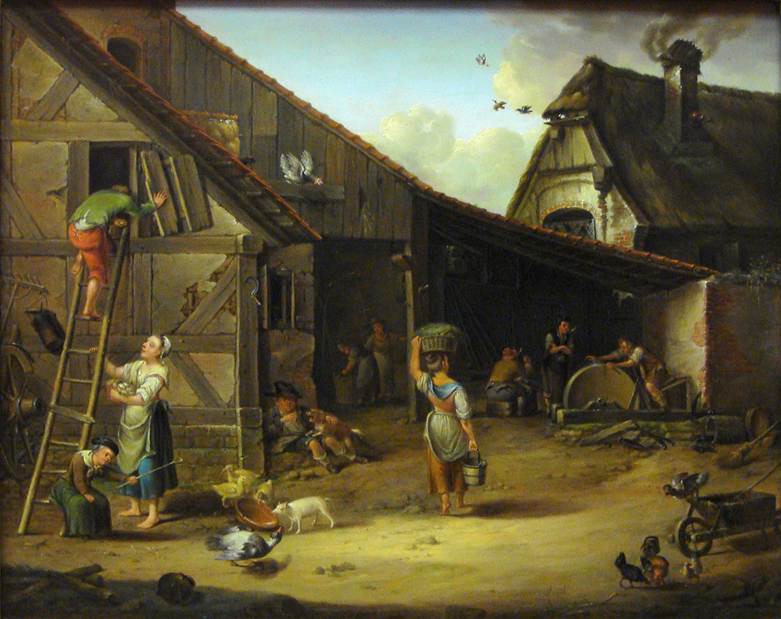
The modern peasant life brings this back. Your body gets what it needs not through scheduled workouts but through the natural course of your day. Exercise is a byproduct of existence. Hauling water buckets builds grip strength and shoulders, and you can work your leg muscles by doing lunges and squats while hauling buckets to the chickens. Scything a meadow builds core rotational power. Digging garden beds builds the posterior chain. You walk your property, checking on animals and plants. You carry water and compost and firewood. You dig beds and pull weeds and lift feed bags. You knead bread and scrub floors and hang laundry.
This kind of movement is sustainable precisely because it’s necessary. You’re not forcing yourself to exercise. You’re doing things that need to be done, and as a side effect, you’re getting stronger and more capable.
The goal is not to look “shredded,” but to be robust. The body is viewed as a tool that needs to last a lifetime, capable of walking miles, carrying children, enduring the elements, and doing the work that life requires. Physical activity happens outside, barefoot where possible, connecting the body’s electrical rhythm to the earth (although I recommend a really good, comfortable pair of muck boots for the wet).
That said, traditional peasants also understood rest. They didn’t glorify exhaustion or push through pain. When the body needed rest, they rested. When winter came and the days were short, they moved less and slept more. There was no guilt about this natural ebb and flow.
If you’re transitioning to this life from a sedentary existence like I did, start slowly. Your body needs time to adapt. Don’t try to chop a cord of wood on your first day (seriously, don’t; I gave myself a fun case of tendonitis doing that). Begin with gentle work and build capacity gradually. Listen to your body. Rest when you need to. Remember that peasant strength is built over seasons and years, not weeks. Do consider starting at a gym to provide a place where your body can build muscle in a safe, pothole-free environment. The leg muscle I’ve developed has made it much easier for me to navigate our uneven terrain to the point where I haven’t re-sprained my problem ankle for several years.
Community in the peasant life
One of the biggest lies of modern life is that you should be able to do everything yourself, that needing help is weakness, that independence is the highest virtue. The myth of the “rugged individualist” is anathema to the peasant life. Peasants knew better.
Traditional peasant communities survived because they were interdependent. You helped your neighbor raise a barn, and they helped you harvest wheat. You traded eggs for milk, soap for candles, labor for labor. When someone was sick or injured or struggling, the community rallied. Not because anyone was forced to, but because that’s how everyone survived and thrived.
As a modern peasant, you have to consciously build a network of reliance. If you’re good at growing potatoes but terrible at fixing engines, you find the neighbor who’s the opposite. Modern peasant life needs this same spirit of community, though it might look different depending on where you live.
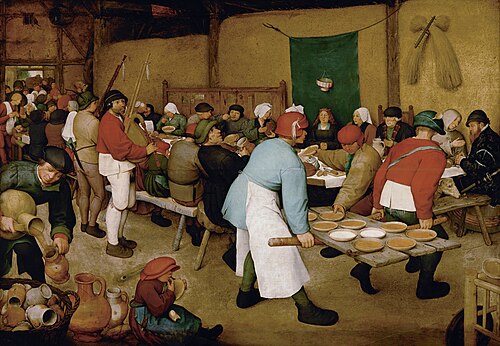
Maybe you can’t rely on your immediate neighbors for everything. But you can find your people. Other folks who are growing food, preserving harvests, learning old skills, questioning the dominant culture’s assumptions about success and happiness.
Our plant nursery has become an unexpected community hub. In spring, when people come to buy seedlings for their gardens, they stay to talk. They ask questions about what grows well here, how to deal with specific pests, when to plant what. They share their own successes and failures. Some become friends. We trade knowledge and sometimes excess produce. We love bartering for goods or services.
These communities might be local. You might find them at farmers markets, homesteading workshops, seed swaps, or skill shares. You might connect with nearby folks who are walking a similar path and start trading work and knowledge and excess produce. I found community with our local Master Gardeners and Chamber of Commerce. I love our small-town Chamber of Commerce, which is so different from the big city one I joined years ago. They hold ribbon-cutting ceremonies, work with the local papers to get businesses noted, and are just a great way to meet other business owners and participate in community events.
Your community might also be online, at least initially. Facebook groups and forums can connect you with people doing similar work, though the goal should always be to find real-world community too. Humans aren’t meant to live entirely through screens.
There’s a move toward sharing resources rather than owning them individually. Why do five neighbors each need a lawnmower or a rototiller? The village mindset encourages sharing tools, labor (like a modern barn-raising), and childcare. This is the gift and barter economy in action, a practical alternative to buying everything new.
The key is reciprocity. You can’t just take. You have to give. Share what you know. Offer what you have. Show up when people need help. Socializing isn’t meeting at a restaurant. It’s hosting a potluck where everyone brings a dish made from what they grew. This isn’t transactional. It’s relational. You’re weaving a web of mutual support that makes all your lives richer and more resilient.
Community also means accepting that you’re not going to agree with everyone about everything. Traditional peasant communities were full of disagreements and personality clashes. They made it work because they had to, but also because they understood that community isn’t about finding your perfect people. It’s about learning to cooperate with the people you actually have.
Growing your own food
You don’t need acres of land to start growing food. You can begin with a few pots of herbs on a sunny windowsill. A small raised bed in a yard. A corner of a balcony. The point isn’t to achieve complete self-sufficiency (unless you want to). It’s to reconnect with where food actually comes from and to reclaim some small measure of control over what you eat.
Start simple. Grow things that are easy and productive: lettuce, tomatoes, beans, herbs, zucchini. As you gain confidence, you can expand. Add perennial crops like berries and fruit trees that keep producing year after year. Learn to save seeds. Start composting kitchen scraps to feed your soil. Experiment with succession planting so you have continuous harvests rather than boom-and-bust.
Our homestead has evolved over years, not overnight. We started with a small garden and expanded it a little every year. We planted several trees and berry bushes each year. We use permaculture techniques on new areas we establish: observing the land, working with its natural patterns, building soil, creating systems that support themselves. The berry patch feeds the birds who eat the garden pests. The chicken manure feeds the compost that feeds the garden. The orchard provides shade and habitat. Everything connects.
Peasant gardening is different from the highly manicured, intensive gardening you might see in magazines. It’s messier, more practical, and both more and less forgiving. We rarely (ok, never) have a picture-perfect garden, and certainly each year brings new surprises. Some things fail, and some succeed beyond our wildest expectations. We’ve been doing this for decades and still learning something new every year.
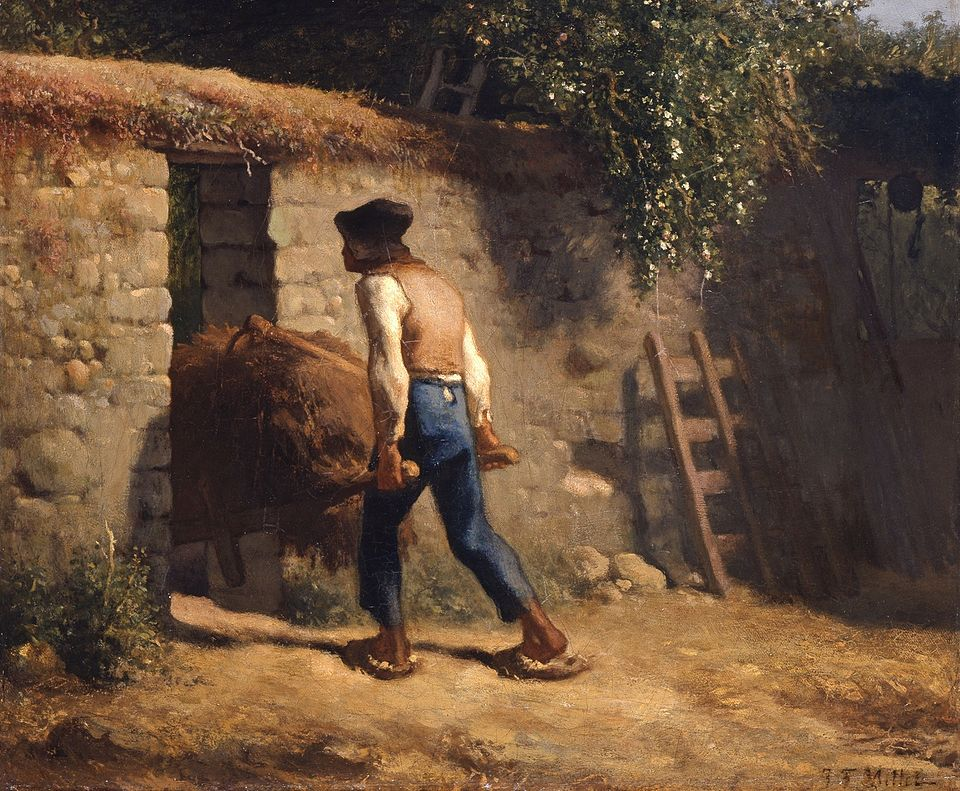
You’ll also learn to accept the seasons. Spring brings planting and hope. Summer brings abundance and the slightly panicked realization that you have more zucchini than any human should have to process (and your neighbors run the other direction when they see you approaching). Fall brings harvest and preservation and the satisfaction of a cellar stocked for winter. Winter brings rest and planning and seed catalogs.
This seasonal rhythm becomes its own teacher. You can’t rush it or hack it, not really. You can only work with it, observing and adapting and learning what works in your specific place with your specific soil and climate.
Growing food also teaches humility, patience, troubleshooting, and discipline combined with a bit of stoicism.
Celebrating the wheel of the year
Perhaps the most profound shift for a modern peasant is the perception of time. Industrial time is linear, while peasant time is circular. In the office, you’re constantly striving to meet the next project deadline so you can get a raise after the next performance review (assuming you’re not laid off after “only” meeting expectations). On the farm, you’re living a constant cycle of birth, life, harvest, death, and rebirth.
Traditional peasant cultures marked the year with festivals and celebrations tied to the agricultural cycle and the changing seasons. These weren’t arbitrary. They marked real transitions: the return of light at winter solstice, the first plantings of spring, the abundance of harvest, the final preparations before winter.
Modern life tries to flatten these rhythms. Every day is supposed to be equally productive. Every season is supposed to offer the same opportunities. But our bodies and our psyches still respond to the natural cycles. We’re meant to slow down in winter’s darkness, to surge with energy in spring’s lengthening days, to work hard during summer’s abundance, to turn inward as autumn fades.
As a modern peasant, you can observe the Wheel of the Year, a calendar rooted in the solstices, equinoxes, and the agricultural turning points between them. The modern peasant life means reclaiming these celebrations and making them your own. You don’t need to adopt any particular religious or spiritual framework unless you want to. You can create your own markers based on what feels meaningful to you. You can celebrate your own cultural, religious, or personal seasonal markers.
Samhain (late autumn): The peasant’s New Year. The harvest is done, the sheep are brought down from the hills. It’s a time to honor ancestors, face mortality, and rest. The veil between seasons is thin. For us, this is when the garden is finally put to bed, the last preserving is finished, and we can exhale. The work of the growing season is complete.
Yule (winter solstice): The darkest point. Work stops. We feast on the preserved foods to remind ourselves that the sun will return. It’s a time for indoor crafts and deep sleep. Maybe you rest, reflect, and plan for the year ahead. We eat from our stores, grateful for the work we did in summer and fall that allows us to rest now.
Imbolc (late winter): The first stirrings. Lambing season begins. We bless the seeds and prepare the tools. Light is returning, though slowly. We start seeds indoors, prepare the nursery greenhouse, and feel the first pull of the growing season ahead.
Ostara (spring equinox): Balance returns. The frantic planting begins. The diet shifts from heavy roots to fresh greens. Maybe you celebrate by planting your first seeds. For us, the nursery opens, and we reconnect with our customers.
Beltane (early summer): The festival of fertility and fire. We celebrate the blooming earth, usually with bonfires and outdoor revelry. The land is awake and growing. The orchard blossoms. The berry patches flower, and we even start getting some early currants and gooseberries. Everything is possibility.
Litha (summer solstice): The longest day. The peak of labor. We work long hours but celebrate the abundance of light. Maybe you mark midsummer with a bonfire (or perhaps a candle at the table) and a feast of the season’s first produce. The garden demands daily attention. Early harvests begin.
Lammas (late summer): The first calorie crop harvests (grain, potatoes, beans). We bake bread and acknowledge that the days are shortening. Abundance is here, but won’t last forever. The real preserving work begins: canning, freezing, dehydrating, root cellaring. We race against the season, trying to distribute 200 pounds of pears can 50 pounds of tomatoes.
Mabon (autumn equinox): The second harvest. We give thanks, balance our accounts, and prepare to go inward again. Maybe it means canning the last of the harvest and giving thanks for what the land provided. The root cellar fills. The pantry shelves are stocked. We can see winter from here, and we’re ready.
These celebrations don’t need to be elaborate, just intentional. They’re opportunities to pause, to notice what’s happening in the natural world, to feel yourself as part of the larger cycles of growth and rest, abundance and scarcity, light and dark.
The wheel of the year also gives structure to time in a way that’s more meaningful than arbitrary calendar dates. When you’re living close to the seasons, you don’t just know it’s February. You know it’s time to prune fruit trees, to plant peas, to tap maple trees for syrup. You develop an intimate relationship with your place and its particular rhythms.
This doesn’t mean every day is special or ceremonial. Most days are ordinary: feeding chickens, pulling weeds, making meals. But those ordinary days are punctuated by moments of celebration and gratitude that help you stay connected to the deeper patterns you’re part of. As humans, we definitely need to celebrate more, and these seasonal rhythms are perfect for both grounding and inspiring!
The freedom of enough
Perhaps the most radical aspect of modern peasant life is the concept of “enough.” Not endless growth, constant acquisition, more and bigger and better. Just…enough.
We learn we have enough food, enough warm clothing, enough shelter. I’m not talking about deprivation, but more of the deep satisfaction that comes from having what you need and not being tormented by wanting what you don’t. It’s about the freedom of stepping off the hedonic treadmill and discovering that you don’t actually need very much to be happy.
When you grow your own food, you realize how little you actually need to buy. When you learn to mend and make do, you discover how durable things can be. When you find joy in simple pleasures, you stop needing expensive entertainment. For example, my husband and I realized we really don’t have a desire to travel, because we both already feel like we’re living in paradise. When you’re genuinely tired from useful work, you sleep well without sleep aids.
The modern peasant life is also remarkably resilient. When you know how to grow food, preserve harvests, cook from scratch, mend clothes, and fix basic things, you’re not as vulnerable to supply chain disruptions or economic turbulence. You have skills and knowledge that can’t be taken away.
But more than that, you have time. Time is the real luxury, the thing our ancestors had more of and we have less of. When you’re not working to pay for things you don’t really need, when you’re not commuting hours every day, when you’re not filling every moment with consumption and distraction, you suddenly have time.
Time to watch the sunset, to learn new skills, to be with people you love. Time to think. Time to simply be.
Making the transition
If you’re feeling called to this life, you might also be feeling overwhelmed. How do you get from where you are to where you want to be?
Start small. You don’t have to quit your job and buy a farm tomorrow (though if you can and want to, go for it). You can begin right where you are.
Observe the season. Look outside. What’s growing? What’s the light doing? Adjust your sleep and dinner times to match the sun. Notice when the light changes. When the first birds return. When things bloom and fruit and fade. You can do this anywhere, even in a city.
Produce one thing. Plant something, even if it’s just a pot of basil. I actually still love to grow mung bean, lentil, and broccoli sprouts, because they’re so easy and they’re lovely to munch on. Bake one loaf of bread. Mend one shirt. Learn to ferment vegetables. Start composting. These small acts are seeds that will help you grow.
Find your village. Look for others who are questioning the mainstream narrative about success and happiness. Trade a skill with a friend. They’re out there, often feeling just as isolated as you are.
Reduce your expenses where you can. Every dollar you don’t need to earn is an hour of your life you get back. This might mean downsizing, eliminating subscriptions, learning to cook instead of eating out, fixing things instead of replacing them.
Learn skills. Read books. Watch videos. Take workshops. Practice. Traditional skills like gardening, cooking, preserving, mending, building—these are your inheritance as a human being. Reclaim them!
Be patient with yourself. This is a fundamental reorientation of how you live. It won’t happen overnight. Some experiments will fail. Some will succeed. You’ll learn as you go.
Most importantly, remember that there’s no one right way to live a peasant life. Your version will look different from someone else’s based on your location, resources, interests, and needs. The goal isn’t to recreate medieval Europe or any other peasant society. It’s to reclaim the wisdom of living in harmony with natural rhythms while using whatever modern conveniences actually serve you.
Why this matters now
We’re living in a time of deep disconnection. Disconnection from our bodies, our food, our communities, the land, the seasons, the natural rhythms that sustained humans for millennia. This disconnection is making us sick, anxious, depressed, and exhausted.
The modern peasant life offers a way back. Not to some imagined past, but to a way of being that’s rooted in what humans actually need to thrive: connection, purpose, beauty, community, meaningful work, rest. Enough.
Living a peasant life is a quiet rebellion. It’s a declaration that the good life is not found in the accumulation of things, but in the deepening of roots. It’s an alternative to the “lying down” movement, taking a proactive I Can approach (literally, lol) instead of I Won’t.
You don’t need permission to live this way. You don’t need to wait for the system to change. You can start today, right where you are, with what you have.
Plant a seed. Bake bread. Watch the sunset. Notice the season. Rest when you’re tired. Work when there’s work to be done. Celebrate when there’s something to celebrate. Connect with your neighbors. Grow your own food, even a little. Learn an old skill. Slow down. Pay attention.
Frequently asked questions about the modern peasant lifestyle
What exactly is a “modern peasant” lifestyle?
The modern peasant life isn’t about poverty or giving up modern conveniences like running water or electricity. It’s about reclaiming an older rhythm of living that flows with the seasons rather than against them. It means measuring wealth in time and autonomy rather than dollars and status, valuing production over consumption, and choosing community over status. Modern peasants are opting out of the frenetic, linear race of industrial capitalism in favor of a life that is circular, seasonal, and self-determined. It’s not about roleplaying the Dark Ages but about thoughtfully reclaiming what humans knew for thousands of years: that a good life doesn’t require constant striving, just thoughtful attention to what actually matters.
Do I need to own a farm or have lots of land to live as a modern peasant?
Not at all! You can begin with a few pots of herbs on a sunny windowsill, a small raised bed in a yard, or a corner of a balcony. The point isn’t to achieve complete self-sufficiency but to reconnect with where food actually comes from and to reclaim some measure of control over what you eat. You can start practicing peasant principles right where you are: observing the seasons, producing at least one thing yourself (even if it’s just sprouts or a loaf of bread), reducing consumption, learning traditional skills, and building community. The lifestyle looks different for everyone based on their location, resources, interests, and needs.
How do modern peasants make money and pay bills?
Modern peasants often embrace a portfolio approach to income, similar to historical peasants who were farmers, carpenters, weavers, and brewers all at once. The key is that income work is right-sized to actual needs, not inflated to meet someone else’s idea of success. This might mean seasonal work that aligns with natural cycles (like running a plant nursery in spring), teaching or craft work, or continuing some form of employment while building peasant practices into the rest of life. The focus is on reducing expenses where possible so that every dollar you don’t need to earn is an hour of your life you get back. Many modern peasants have discovered they need far less money than they thought when they stop buying things they don’t really need.
Isn’t this just privileged people playing at poverty?
The modern peasant life isn’t about poverty or deprivation. Historical peasants often lived in genuine hardship, and nothing about modern peasant living romanticizes that. Instead, it’s about reclaiming the wisdom of living in harmony with natural rhythms while using whatever modern conveniences actually serve you. It’s about choosing a different relationship with work, consumption, and time, not about suffering unnecessarily. Access to land, time, and resources varies widely, and everyone’s version will look different. The goal is to work within your circumstances to build more connection, autonomy, and satisfaction rather than pretending to live in hardship you could escape.
How do I start transitioning to this lifestyle?
Start small, right where you are. Observe the seasons by noticing what’s growing, when light changes, and when things bloom. Produce one thing yourself, whether that’s a pot of basil, a loaf of bread, or learning to mend a shirt. Find your community by looking for others questioning mainstream narratives about success. Reduce expenses where you can to buy back time. Learn traditional skills through books, videos, and workshops. Be patient with yourself, as this is a fundamental reorientation that won’t happen overnight. You don’t have to quit your job and buy a farm tomorrow. Begin with one small practice and build from there.
What does peasant work look like?
Peasant work is woven into the fabric of your day, rising and falling with natural rhythms rather than arbitrary schedules. It might mean feeding chickens, tending a garden, baking bread, preserving food, mending clothes, or chopping wood. These aren’t “chores” in the modern sense but fundamental acts that keep you alive and comfortable, with deep satisfaction in doing them well. Peasant work has natural stopping points (you can’t make the garden grow faster by working longer hours), so there’s no artificial pressure to fill every minute with productivity. The defining characteristic is shifting from passive consumer to active producer. When there’s a lot to do (like harvest season), you work hard. When there’s less to do (like winter), you rest without guilt.
Don’t peasants have to work incredibly hard all the time?
This is a common misconception. While peasants work hard during busy seasons (like harvest), they also understand the difference between purposeful work and busy work. The work has natural stopping points and seasonal rhythms. You can’t force a garden to grow faster, so when the work is done, you rest without the artificial pressure to look busy. Traditional peasants also worked far fewer hours overall than modern workers when you account for commutes, performance reviews, and the pressure to be constantly productive. Winter, in particular, was a time of reduced activity, indoor crafts, planning, and genuine rest. The peasant approach values rest as a necessary and natural part of life, not something to feel guilty about.
How does the peasant diet work in practice?
Peasant eating means relearning what your great-grandparents knew: how to cook dried beans, make soup that gets better over days, and preserve summer’s abundance for winter. It means eating what’s actually growing now rather than whatever the grocery store imports from across the world. In spring, you eat tender greens, eggs, and asparagus. In summer, you gorge on tomatoes, berries, and cucumbers. In fall, you feast on squash, apples, and root vegetables. In winter, you eat from your stores: fermented vegetables, canned tomatoes, dried beans, frozen berries, root cellar potatoes. This seasonal approach makes food interesting again because when you haven’t had a tomato in eight months, that first summer tomato is a revelation.
What if I don’t know how to grow food, cook from scratch, or do any traditional skills?
That’s completely normal! Most people in modern society have lost these skills, which were once common knowledge. The good news is that you can learn. Start with one simple skill: growing a pot of herbs, baking one loaf of bread, or learning to ferment vegetables. Read books, watch videos, take workshops, and practice. Traditional skills like gardening, cooking, preserving, mending, and building are your inheritance as a human being, and you can reclaim them one at a time. Expect failures and experiments that don’t work. You’ll learn as you go, building competence gradually over seasons and years. The peasant approach values the spiritual satisfaction of competence and the deep pleasure that comes from knowing how to do things with your own hands.
What is the Wheel of the Year and do I have to follow it?
The Wheel of the Year is a calendar rooted in solstices, equinoxes, and agricultural turning points between them (Samhain, Yule, Imbolc, Ostara, Beltane, Litha, Lammas, Mabon). Traditional peasant cultures marked these transitions with festivals tied to real events: the return of light at winter solstice, first plantings of spring, harvest abundance, final preparations before winter. You don’t need to adopt any particular religious or spiritual framework. You can create your own markers based on what feels meaningful to you or celebrate your own cultural, religious, or personal seasonal events. The point is to notice and honor the natural cycles rather than living as if every day should be equally productive year-round.
How does community work in modern peasant life?
One of the biggest lies of modern life is that you should be able to do everything yourself. Traditional peasants survived through interdependence: helping neighbors raise barns and harvest wheat, trading eggs for milk, rallying when someone was sick. Modern peasants consciously build networks of reliance. If you’re good at growing potatoes but terrible at fixing engines, you find the neighbor who’s opposite. You might find community locally at farmers markets, homesteading workshops, seed swaps, or skill shares. You might connect through business groups like a small-town Chamber of Commerce. The key is reciprocity: you can’t just take, you have to give. Share what you know, offer what you have, show up when people need help. Community isn’t about finding your perfect people but learning to cooperate with the people you actually have.
Can I still have a job and live as a modern peasant?
Absolutely! Many modern peasants maintain employment while incorporating peasant principles into the rest of their lives. You might work part-time or seasonally to cover bills while dedicating other time to growing food, making things, and building community. You might keep a full-time job while starting to grow herbs, bake bread, learn to mend clothes, and observe the seasons. The transition doesn’t have to be all-or-nothing. Every small step toward production over consumption, toward seasonal awareness, toward building skills and community, is part of living more like a peasant. The goal is to right-size your income work to your actual needs rather than inflating it to meet someone else’s idea of success.
What about healthcare, retirement, and other modern necessities?
The modern peasant life doesn’t mean rejecting all aspects of modern society. You still need healthcare, you still have bills, you still live in the 21st century. The approach is to use modern conveniences that actually serve you while opting out of the parts of the system that drain your time, money, and energy without providing real value. This might mean keeping health insurance, saving for retirement, and maintaining whatever safety nets you need while simultaneously reducing dependence on the consumer economy by growing some food, learning to make and mend things, and building community resilience. It’s about finding a balance that works for your specific circumstances, not about absolute self-sufficiency or rejecting all modern infrastructure.
How do modern peasants approach exercise and physical fitness?
Peasants didn’t “exercise” as a separate activity. They moved all day in purposeful ways, doing things that needed doing. Their bodies got what they needed through the natural course of work: hauling water buckets, scything meadows, digging garden beds, pulling weeds, lifting feed bags, kneading bread, carrying firewood. This kind of movement is sustainable because it’s necessary, not forced. You’re doing things that need to be done, and getting stronger is a side effect. The goal isn’t to look “shredded” but to be robust, with a body capable of walking miles, carrying loads, and doing the work that life requires. That said, if you’re transitioning from sedentary life, you might start with a gym to build muscle safely before taking on heavy outdoor work. Traditional peasants also understood rest and didn’t glorify exhaustion.
What does “enough” mean in the peasant context?
Perhaps the most radical aspect of modern peasant life is the concept of “enough”: not endless growth, constant acquisition, or more and bigger and better, just enough. Enough food, enough warm clothing, enough shelter. It’s not about deprivation but about the deep satisfaction that comes from having what you need and not being tormented by wanting what you don’t. When you grow your own food, you realize how little you need to buy. When you learn to mend and make do, you discover how durable things can be. When you find joy in simple pleasures, you stop needing expensive entertainment. When you’re genuinely tired from useful work, you sleep well without aids. Time becomes the real luxury, the thing you have more of when you’re not working to pay for things you don’t really need.
Is this just another form of self-optimization or productivity culture?
No! In fact, it’s the opposite. Peasant life explicitly rejects the constant optimization and productivity hacks of hustle culture. There’s no pressure to be the best at something, to monetize every hobby, to share everything on social media, or to turn activities into content. Play can simply be play. Work has natural stopping points. Rest is valued as necessary rather than something to feel guilty about. The rhythm is circular and seasonal rather than linear and constantly ascending. You don’t need to count every calorie, track every metric, or optimize every moment. The peasant approach is refreshingly unambitious: you can simply enjoy doing things because they bring you pleasure, peace, or a sense of connection to something larger than yourself.
What if my family or friends think I’m crazy?
Choosing to live differently from mainstream culture often invites judgment or confusion from others. Some people might not understand why you’d want to work in a garden when you could buy vegetables, or why you’d bake bread when bakeries exist. Remember that you don’t need permission to live this way. You can start small with changes that don’t require explaining yourself to everyone. As you build competence and satisfaction, your life itself becomes the answer to skepticism. You might also find that some people are secretly curious or envious and will eventually start asking questions. Focus on finding your community of like-minded people who share your values, whether locally or initially through online groups, while maintaining respectful relationships with family and friends who choose differently.
How long does it take to transition to a peasant lifestyle?
This is a fundamental reorientation of how you live, not something that happens overnight. It might take months just to start observing seasons and producing one or two things yourself. It might take years to develop a robust garden, learn multiple traditional skills, build a strong community, and establish seasonal rhythms. Some experiments will fail, some will succeed, and you’ll learn as you go. There’s no finish line or point where you’ve “arrived.” The peasant life is a practice, not a destination. Be patient with yourself. Start with one small change, then another, building gradually over time. The journey itself is part of the value, as you develop skills, deepen connections, and discover what brings you satisfaction.
Can city dwellers live as modern peasants?
Yes! While having land makes some aspects easier, peasant principles can be practiced anywhere. Even in a city, you can observe the seasons by noticing light changes, when birds return, and when trees bloom. You can grow herbs or sprouts on a windowsill. You can bake bread, learn to mend clothes, and reduce consumption. You can find community through urban gardens, farmers markets, or skill-sharing groups. You can mark seasonal transitions with celebrations. You can shift your relationship with work and time. You can choose production over consumption in whatever ways your space allows. Urban peasants might focus more on craft skills, food preservation, and community building than on growing large amounts of food, but the underlying principles of seasonal living, meaningful work, and enough still apply.
What’s the relationship between modern peasant life and sustainability or environmentalism?
While the modern peasant life isn’t explicitly an environmental movement, it naturally aligns with sustainable practices. Growing your own food reduces transportation emissions and packaging waste. Preserving seasonal abundance reduces reliance on imported out-of-season produce. Making and mending things rather than constantly buying new reduces consumption. Composting returns nutrients to soil rather than sending organic matter to landfills. Living seasonally reduces energy use (resting more in winter when days are short, working more in summer when days are long). The focus on “enough” rather than endless growth is inherently more sustainable than consumer culture. However, the primary motivation isn’t saving the planet but living a more satisfying, connected, and autonomous life. The environmental benefits are a welcome side effect rather than the main goal.
Is modern peasant life compatible with having children?
Many families find peasant living particularly rewarding with children. Kids naturally love being involved in feeding animals, harvesting vegetables, and making things. These activities teach valuable life skills, provide meaningful connection to parents, and create lasting memories. Children in peasant-oriented families learn where food comes from, how to be capable with their hands, and how to work hard and rest fully. They experience the natural rhythms of seasons rather than the flattened, screen-mediated existence of mainstream culture. That said, peasant life with children requires flexibility and patience. Things take longer, standards might be lower, and some seasons (like harvest with toddlers) can be chaotic. But many peasant parents find that involving children in real, meaningful work creates stronger family bonds than entertaining them with purchased activities ever could.

Leave a Reply